
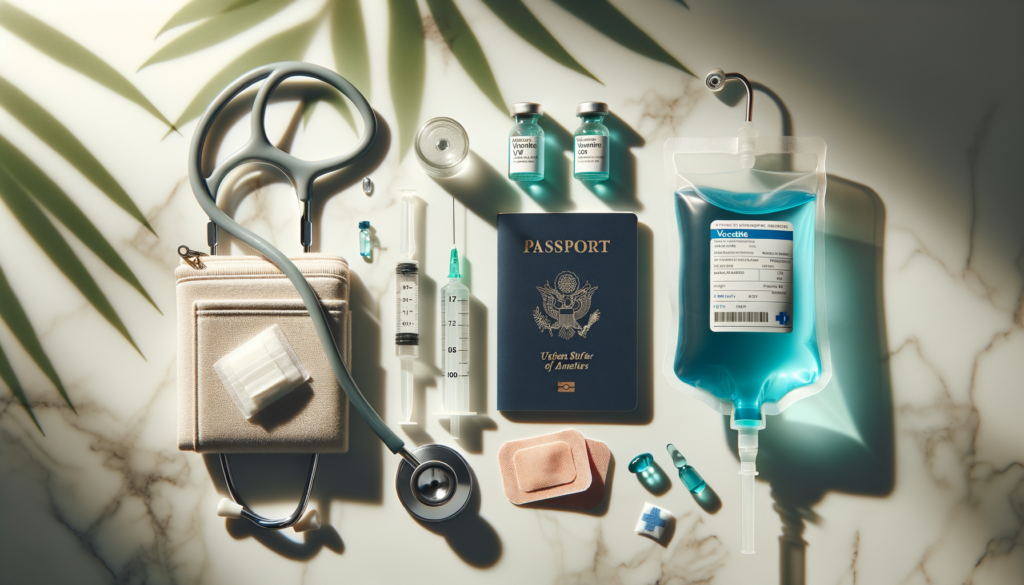
You’ve booked your flights, found a villa in Canggu, and packed your reef-safe sunscreen. But somewhere between the excitement and the packing list, the question of vaccinations quietly gets pushed to the back of the to-do list. For many travelers, that oversight turns a dream Bali trip into a week of avoidable illness, or worse, a serious medical situation far from home.
Why Bali Has a Unique Vaccination Profile
Bali sits in a tropical zone with health risks that differ significantly from what most Western travelers encounter at home. The combination of heat, humidity, dense mosquito populations, varying food hygiene standards, and close contact with animals creates conditions where several vaccine-preventable diseases remain genuinely active.
Indonesia as a whole reports consistent cases of typhoid, hepatitis A, rabies, and Japanese encephalitis. Bali’s popularity as a tourist destination does not reduce these risks. In many ways, the volume of travelers moving through crowded areas like Kuta, Seminyak, and Ubud keeps transmission opportunities high.
The good news is that most of these risks are manageable with some advance planning. Seeing a travel medicine doctor or visiting a travel clinic at least six to eight weeks before departure gives you enough lead time for vaccines that require multiple doses or need time to become effective.
Core Vaccinations Recommended for Bali
Most travel health authorities, including the CDC and WHO, recommend a standard set of vaccines for anyone visiting Indonesia. Before worrying about destination-specific shots, confirm your routine vaccinations are current.
Routine Vaccines to Verify
- MMR (measles, mumps, rubella): Measles outbreaks have occurred across Southeast Asia. Two doses are standard for adults born after 1957.
- Tdap (tetanus, diphtheria, pertussis): A booster is recommended every ten years, or sooner if you have a wound-related exposure risk.
- COVID-19: Check current entry requirements and keep your vaccination record accessible.
- Influenza: Year-round flu season in the tropics makes an annual flu shot worthwhile before travel.
Travel-Specific Vaccines for Bali
- Hepatitis A: Strongly recommended. Transmitted through contaminated food and water, which is a real exposure risk even in higher-end restaurants and warungs.
- Typhoid: Recommended for most travelers. Oral or injectable options are available, and protection begins about two weeks after vaccination.
- Hepatitis B: Recommended for stays longer than a few weeks, or for travelers who may seek medical or dental care locally.
Rabies: The Bali-Specific Risk That Surprises Travelers
Bali had a significant rabies outbreak beginning in 2008 that resulted in dozens of deaths. The situation has improved since then, but rabies remains endemic on the island, primarily carried by the large population of stray and semi-feral dogs.
The rabies vaccine is not always on travelers’ radar because many people associate the disease with remote jungle travel. In Bali, the risk is present in busy beach towns, temples, and rice field paths. Monkeys at popular sites like Ubud’s Sacred Monkey Forest can also scratch or bite.
Pre-exposure rabies vaccination involves three doses over 21 to 28 days, which is another reason early clinic visits matter. If you are bitten or scratched in Bali, you still need post-exposure treatment, but pre-vaccination simplifies the protocol and buys you critical time to reach proper medical care.
Japanese Encephalitis: Who Needs It
Japanese encephalitis (JE) is a mosquito-borne viral infection that affects the brain. Most infected people have mild or no symptoms, but severe cases carry a significant risk of permanent neurological damage or death.
Not every Bali traveler needs the JE vaccine. Your risk is higher if you are:
- Spending a month or more in Bali or rural Indonesia
- Planning significant time outdoors, particularly near rice fields or standing water
- Traveling during the wet season, when mosquito populations peak
- Staying in accommodation without air conditioning or adequate window screens
The vaccine requires two doses given 28 days apart, so this is another one to discuss early with your travel medicine provider. For shorter urban-focused trips, your doctor may assess the risk as low enough to skip it, but the conversation is worth having.
Malaria and Dengue: What Vaccinations Cannot Cover
Malaria risk in Bali is considered low in the main tourist areas, though it is present in more rural and eastern parts of Indonesia. Dengue fever, however, is a real and ongoing risk across the island, and there is currently no widely available dengue vaccine approved for travelers who have not previously been infected.
This means mosquito prevention remains essential regardless of your vaccination status:
- Use DEET-based repellent (at least 30%) on exposed skin
- Wear long sleeves and pants during dawn and dusk hours
- Sleep under a mosquito net or in air-conditioned rooms
- Eliminate standing water around your accommodation
Dengue causes high fever, severe joint and muscle pain, headache behind the eyes, and fatigue. Hydration is one of the most important pillars of dengue management. If you suspect dengue, seek medical care promptly and maintain aggressive fluid intake. In cases of significant dehydration from fever and reduced appetite, IV hydration can be a practical support tool during recovery.
Food and Water Safety Beyond Vaccinations
Even fully vaccinated travelers can get sick from gastrointestinal illness that no vaccine covers. Bali belly, the local term for traveler’s diarrhea, is extremely common and is caused by bacteria like E. coli, as well as parasites and viruses that circulate in contaminated food and water.
Practical rules that genuinely reduce risk:
- Drink only bottled or properly filtered water, and use it to brush your teeth
- Avoid ice unless you are confident it is made from purified water
- Choose cooked foods from busy, high-turnover stalls over food that has been sitting out
- Peel your own fruit when possible
- Wash hands thoroughly before eating, particularly after temple visits or animal contact
If Bali belly does hit, the priority is rehydration. Oral rehydration salts, clear fluids, and rest cover most mild cases. For severe vomiting that prevents keeping fluids down, mobile IV therapy for Bali belly can restore electrolytes and fluids directly into the bloodstream, which is particularly useful when you cannot tolerate oral intake.
Building Your Pre-Travel Health Timeline
Getting vaccinations right is largely a timing problem. Here is a practical framework:
Eight or More Weeks Before Departure
- Book a travel medicine appointment
- Begin hepatitis B series if not previously vaccinated
- Start rabies pre-exposure series if recommended
- First dose of Japanese encephalitis vaccine if needed
Four to Six Weeks Before Departure
- Second dose of Japanese encephalitis vaccine
- Typhoid vaccine (injectable version needs about two weeks to take effect)
- Confirm hepatitis A vaccination is complete
Final Two Weeks
- Pack a travel health kit: rehydration salts, antidiarrheal medication, antibiotic (if prescribed), quality insect repellent, and a list of local clinic contacts
- Download offline maps to the nearest hospitals and clinics in your planned areas
Frequently Asked Questions
Do I need a yellow fever vaccination to enter Bali?
Only if you are arriving from a country with a risk of yellow fever transmission. Indonesia requires proof of yellow fever vaccination for travelers coming from certain African and South American countries. If you are traveling directly from North America, Europe, or Australia, yellow fever vaccination is not required.
How long before my trip should I see a travel medicine doctor?
Ideally six to eight weeks before departure. Some vaccine series require multiple doses spaced weeks apart. Even if your trip is sooner, a travel medicine visit is still worthwhile because your doctor can prioritize the most important vaccines and advise on medications like antibiotics for traveler’s diarrhea.
Are vaccines enough to protect me from getting sick in Bali?
Vaccines cover specific diseases, but they do not protect against dengue, most causes of traveler’s diarrhea, or general dehydration from heat and activity. Combining vaccinations with food and water precautions, mosquito protection, and good hydration habits gives you a much more complete safety net.
What should I do if I get bitten by a dog or monkey in Bali?
Wash the wound thoroughly with soap and water for at least 15 minutes immediately after the bite. Then seek medical attention as soon as possible to assess your need for post-exposure rabies treatment. Do not wait to see if symptoms develop. Rabies is fatal once symptoms appear, but post-exposure treatment is highly effective when started promptly.
Is it safe to eat street food in Bali?
Street food and warung food can be excellent and safe when chosen carefully. Look for stalls with high turnover, food that is cooked fresh and served hot, and avoid anything that has been sitting out in the heat. Many travelers eat street food throughout their trip without any issues by following basic precautions.
When to Get IV Therapy During Your Bali Trip
Good preparation before you fly covers most of the major risks. But even well-prepared travelers encounter setbacks, whether it is a bout of Bali belly, dengue-related fatigue, a particularly rough night out, or simply the cumulative dehydration that comes from days in the Bali heat.
Revivel Life is a mobile IV drip therapy service operating across Bali. A registered nurse comes directly to your villa, hotel, or coworking space and delivers IV fluids, vitamins, and electrolytes so you can recover without spending half your trip in a waiting room. Whether you need targeted Bali belly relief, a hangover recovery drip, or simply a vitamin infusion to get back to full energy, the service is designed to fit around your schedule in Bali.
Browse the full Revivel Life drip catalog to see what is available, or get in touch to book whenever you need support during your stay.
Feeling Under the Weather in Bali?
Our licensed nurses bring IV therapy directly to your villa. Feel better in 30 minutes.
Chat With Our Nurse