
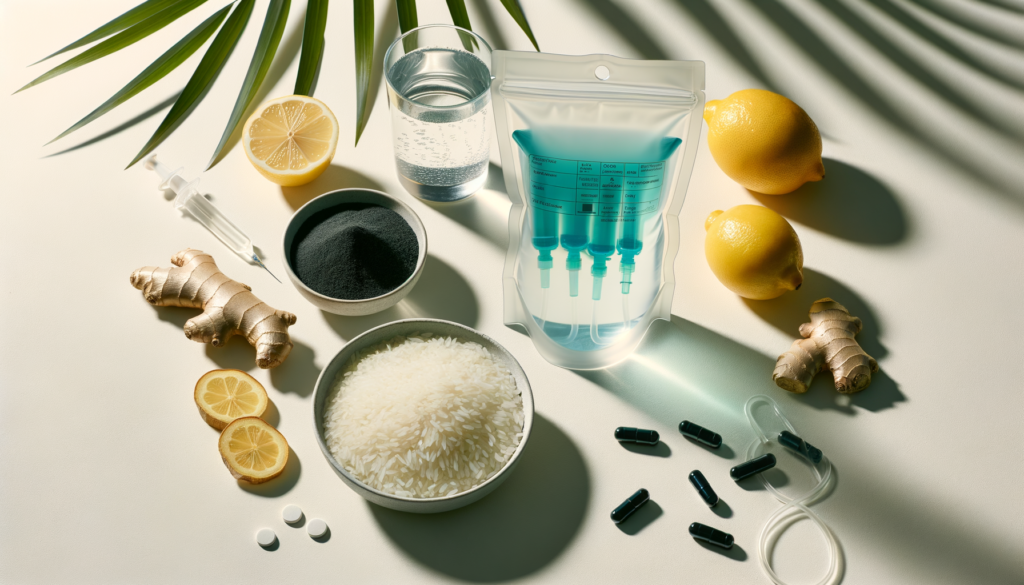
You’re two days into your Bali trip, the nasi goreng last night was incredible, and now you’re stuck in your villa bathroom wondering what went wrong. Is this the infamous Bali belly everyone warned you about, or something more serious? Knowing the difference matters, because the right response can cut your recovery time in half and help you avoid a trip to the hospital.
What Is Bali Belly?
Bali belly is the local nickname for traveler’s diarrhea, a condition that affects an estimated 30 to 70 percent of visitors to tropical destinations like Indonesia. It is not a single illness but rather a cluster of gut symptoms triggered by exposure to unfamiliar bacteria, viruses, or parasites that locals have often built tolerance to over years of exposure.
Common causes
- Bacterial: Escherichia coli (especially enterotoxigenic strains), Campylobacter, and Salmonella
- Viral: Norovirus and rotavirus, often spread through contaminated water or surfaces
- Parasitic: Giardia lamblia and Cryptosporidium, more common with prolonged stays
The trigger is usually ingesting contaminated water or food, but it can also spread through hand-to-mouth contact at busy tourist spots. Ice made from tap water, raw salads washed in local water, and undercooked street food are the most frequent culprits in Bali specifically.
What Is Food Poisoning?
Food poisoning is caused by consuming food or drink that already contains harmful toxins or a high load of pathogens, typically because it was improperly stored, undercooked, or cross-contaminated during preparation. While Bali belly develops over hours to days as organisms colonise the gut, classic food poisoning can hit within 30 minutes to 6 hours of eating.
The most common culprits in Bali’s food scene include:
- Staphylococcus aureus: Found in buffet foods left at room temperature, causes rapid-onset vomiting
- Bacillus cereus: Common in fried rice left sitting out, triggers both vomiting and diarrhea quickly
- Clostridium perfringens: Associated with large batches of meat or poultry dishes
- Vibrio species: Linked to raw or undercooked seafood, particularly relevant in coastal areas like Seminyak and Jimbaran
The key distinction here is that food poisoning is often caused by pre-formed toxins. Even if the bacteria are killed by cooking, the toxins they already released can still make you sick.
Food Poisoning vs Bali Belly: How the Symptoms Differ
The overlap between these two conditions is significant, which is why so many people use the terms interchangeably. However, some clear patterns can help you tell them apart.
Bali belly symptoms
- Gradual onset, usually 12 to 72 hours after exposure
- Loose, watery diarrhea (often three or more episodes per day)
- Abdominal cramping and bloating
- Mild nausea, sometimes without vomiting
- Low-grade fever in some cases
- Symptoms lasting 3 to 7 days without treatment
Food poisoning symptoms
- Rapid onset, sometimes within an hour of eating
- Sudden, forceful vomiting is often the dominant symptom
- Diarrhea may or may not be present
- Intense stomach cramps
- Sweating, chills, or dizziness
- Symptoms often resolve faster (12 to 48 hours) once the toxin is expelled
A useful rule of thumb: if multiple people who ate the same meal at the same time all get sick quickly, food poisoning is the more likely culprit. If you’re the only one sick and symptoms crept up gradually, Bali belly is a stronger suspect.
When Should You Be Concerned?
Most cases of both conditions are unpleasant but self-limiting. However, certain warning signs mean you should seek medical attention promptly rather than waiting it out at the villa.
Seek medical care if you notice
- Blood or mucus in your stool
- High fever above 38.5°C (101.3°F)
- Signs of significant dehydration: extreme thirst, dark urine, dizziness when standing, or no urination for 8 hours
- Vomiting so persistent you cannot keep fluids down
- Symptoms that have not improved at all after 48 to 72 hours
- Neurological symptoms like numbness, blurred vision, or muscle weakness (these can indicate rare but serious causes)
Children, older adults, pregnant travellers, and anyone who is immunocompromised should lower the threshold for seeking care. Dehydration escalates much faster in these groups, and what starts as a manageable gut upset can become dangerous within hours.
How to Treat Each Condition
For mild to moderate cases of either condition, the treatment approach is broadly similar, but there are some important nuances.
Immediate steps for both
- Rehydrate aggressively. Oral rehydration salts (ORS) are far more effective than plain water because they replace electrolytes lost through vomiting and diarrhea. Pharmacies across Bali carry sachets cheaply.
- Rest and avoid solid food until vomiting has stopped, then introduce bland foods gradually (rice, bananas, plain crackers).
- Avoid anti-diarrheal medications like loperamide if you have a fever or blood in your stool, as they can trap the pathogen and worsen certain infections.
When antibiotics may be appropriate
Antibiotics are not appropriate for every case, but a doctor may prescribe them for confirmed bacterial Bali belly that is moderate to severe. Self-prescribing is not recommended because antibiotic resistance is a growing concern across Southeast Asia, and antibiotics are ineffective against viral causes entirely.
Where IV hydration fits in
When vomiting is severe or persistent, drinking enough fluid to stay hydrated becomes genuinely difficult. Intravenous hydration bypasses the gut entirely, delivering fluids, electrolytes, and supportive nutrients directly into the bloodstream. For travellers who cannot keep anything down or who are losing fluids faster than they can replace them, IV therapy can meaningfully speed up recovery and reduce the risk of serious dehydration. You can explore the Bali belly treatment options at Revivel Life if you want to understand what a targeted drip actually contains.
How to Avoid Getting Sick in the First Place
Prevention is always easier than recovery, especially when you have surf sessions, temple visits, and villa dinners on the itinerary.
- Drink sealed bottled water or filtered water only. Brush your teeth with it too.
- Avoid ice unless you can confirm it was made from filtered water. Most tourist-facing cafes and bars in Canggu, Seminyak, and Ubud now use filtered ice, but it is worth asking.
- Choose freshly cooked, hot food over buffet items that have been sitting out.
- Wash your hands thoroughly before eating, or carry alcohol-based hand gel.
- Be cautious with raw salads, fresh juices, and ceviche at places where food hygiene standards are unclear.
- Consider carrying ORS sachets and a basic first-aid kit so you can begin rehydrating immediately if symptoms start.
Frequently Asked Questions
Can you get Bali belly more than once on the same trip?
Yes. Each new exposure to a different pathogen can trigger a new episode. Some long-term travellers and expats develop partial immunity over months, but short-stay visitors remain vulnerable throughout their trip.
Is Bali belly contagious?
It depends on the cause. Viral forms like norovirus are highly contagious through contact. Bacterial forms caused by contaminated food are generally not passed person to person, though poor hand hygiene can spread them. If you are sick, wash your hands frequently and avoid preparing food for others.
How long does Bali belly typically last?
Most cases resolve within 3 to 5 days with proper rest and hydration. Parasitic infections like Giardia can persist for weeks if untreated and require a stool test and specific antiparasitic medication.
Should I take probiotics before or during my Bali trip?
Some evidence suggests that certain probiotic strains (particularly Lactobacillus rhamnosus GG and Saccharomyces boulardii) may modestly reduce the risk or severity of traveler’s diarrhea. It is worth discussing with a doctor or travel medicine specialist before your trip.
Can food poisoning be dangerous in Bali?
Mild cases are rarely dangerous in otherwise healthy adults. However, severe dehydration, certain toxin-producing bacteria, and rare pathogens like Vibrio vulnificus from raw seafood can be serious. When symptoms are severe or not improving, do not wait.
When to Get IV Therapy in Bali
If you have been vomiting repeatedly, cannot keep fluids down, or feel genuinely depleted after a bout of Bali belly or food poisoning, oral rehydration alone may not be enough to get you back on your feet quickly. Revivel Life is a mobile IV drip therapy service operating across Bali, which means a qualified medical professional can come directly to your villa, hotel, or accommodation rather than you having to drag yourself to a clinic when you can barely stand up.
The team carries targeted drips formulated for gut recovery and dehydration, delivering fluids, electrolytes, vitamins, and anti-nausea medication intravenously for faster absorption. Take a look at the full IV drip catalog to see what is available, or visit the Bali belly treatment page for more detail on the specific recovery protocol. If you are ready to book or want to check service availability in your area, head to the contact page and the team will get back to you promptly.
Dealing With Bali Belly Right Now?
Our nurses can be at your villa within 60 minutes with IV relief.
Get Bali Belly Relief