
You wake up on day two, expecting to feel human again, and instead you’re hit with the same fog, nausea, and pounding head that ruined yesterday. If you spent last night at a beach club in Seminyak or celebrating a surf trip in Canggu, this is a frustratingly familiar situation. The day 2 hangover is real, it has a biology behind it, and understanding it is the first step to actually getting better.
What Is a Day 2 Hangover?
Most people assume a hangover lasts one bad morning and then fades. For some, that’s true. But for others, symptoms stretch well into the second day, sometimes feeling even worse than day one. This is sometimes called a two-day hangover or a “hangover day 2” experience, and it’s not just in your head.
The reason it happens comes down to how your body processes alcohol and how deeply it disrupts your internal systems. A single heavy night of drinking can trigger a cascade of physiological events that take 36 to 48 hours to fully resolve. The more you drank, the older you are, or the less you slept, the longer that recovery window tends to be.
In Bali’s heat and humidity, the situation is compounded. Sweating through a tropical night accelerates dehydration, and if you were out in the sun during the day, your body was already under stress before the alcohol even came into play.
Why You Still Feel Bad: The Core Mechanisms
To understand why the second day can hit so hard, it helps to look at what alcohol actually does to your body over a 48-hour period.
Dehydration and Electrolyte Depletion
Alcohol is a diuretic. It suppresses a hormone called ADH (antidiuretic hormone), causing your kidneys to flush out far more water than usual. Along with that water goes a significant amount of sodium, potassium, and magnesium. By day two, if you haven’t replaced those electrolytes, your cells are still running on low fuel. Headaches, muscle weakness, and dizziness are classic signs of this ongoing deficit.
Blood Sugar Instability
Alcohol interferes with your liver’s ability to release glucose into your bloodstream. On day two, your blood sugar may still be fluctuating, which contributes to shakiness, irritability, brain fog, and that heavy, exhausted feeling that makes even a short walk feel like a mission.
Inflammation and Acetaldehyde
When your liver breaks down alcohol, it produces a toxic byproduct called acetaldehyde. This compound triggers systemic inflammation and is partly responsible for nausea, headache, and general malaise. Your liver works overtime to convert acetaldehyde into a less harmful substance, but if you drank heavily, that process takes time. On day two, residual acetaldehyde and the inflammatory response it caused may still be active in your system.
Sleep Disruption
Alcohol fragments your sleep architecture. It suppresses REM sleep, the deep, restorative stage your brain needs to consolidate memory and reset cognitive function. Even if you slept eight hours, that sleep was likely low quality. On day two, the compounding effect of two consecutive poor nights can make symptoms feel significantly worse than day one.
Common Day 2 Hangover Symptoms
Not everyone experiences the same set of symptoms, but there are several that tend to persist or worsen on the second day:
- Persistent headache, often dull and pressure-like rather than sharp
- Fatigue and weakness that doesn’t improve with more rest
- Nausea or sensitive stomach, especially after eating
- Anxiety or low mood (sometimes called “hangxiety”)
- Brain fog and difficulty concentrating
- Light and sound sensitivity
- Muscle aches from inflammation and electrolyte loss
- Increased thirst despite drinking water
If you’re also dealing with stomach cramps, diarrhea, or vomiting that started after eating street food or something from an unfamiliar warung, it’s worth considering whether Bali belly is also a factor. The two conditions can overlap and both drain your body of fluids and electrolytes rapidly.
How to Actually Recover: What Works
There’s no single shortcut, but there are evidence-backed strategies that genuinely speed up recovery when combined.
Rehydrate Properly (Not Just with Water)
Plain water helps, but it’s not enough on its own if your electrolytes are depleted. Your cells need sodium and potassium to actually absorb and retain fluid. Coconut water, oral rehydration salts, or electrolyte sachets are far more effective than water alone. Avoid caffeine and more alcohol, both of which worsen dehydration.
Eat the Right Foods
Your gut lining is irritated and your blood sugar is unstable, so heavy or spicy food is a mistake. Focus on:
- Bland carbohydrates such as plain rice, toast, or plain crackers to stabilize blood sugar
- Bananas and avocado for potassium
- Eggs for cysteine, an amino acid that helps break down acetaldehyde
- Ginger tea or plain broth to settle nausea
Rest and Sleep Strategically
Your body does the most repair work during sleep. If you’re in Bali with plans, it can be tempting to push through, but even a two-hour nap in the afternoon can meaningfully shift how you feel by evening. Keep your room cool and dark, and avoid screens for at least an hour before sleeping.
Support Your Liver
B vitamins, especially B1 (thiamine), B6, and B12, are depleted heavily by alcohol metabolism. A B-complex supplement or a multivitamin can help restore these. Vitamin C is also useful for reducing oxidative stress. Milk thistle is a traditional supplement with some evidence supporting liver function during recovery.
Consider IV Hydration
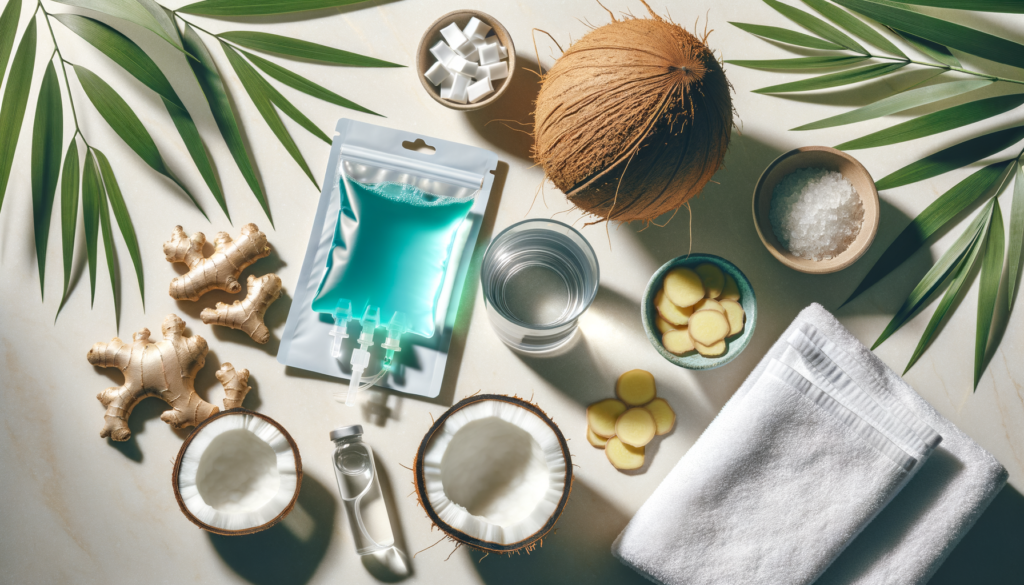
When oral rehydration isn’t cutting through and you’re still feeling rough 24 to 36 hours later, IV therapy offers a more direct route. Fluids, electrolytes, B vitamins, and anti-nausea medication delivered directly into your bloodstream bypass a compromised digestive system entirely. This means faster absorption and often significantly quicker symptom relief. For a day 2 hangover where oral fluids just aren’t helping, it’s a genuinely practical option. You can see what’s typically included in a recovery drip by browsing the hangover recovery options here.
What to Avoid on Day 2
Some common “remedies” can actually make a day 2 hangover worse. Be cautious about:
- “Hair of the dog” (drinking more alcohol): This delays recovery and increases total toxin load on your liver
- Ibuprofen and NSAIDs: These can irritate an already inflamed stomach lining and stress the kidneys further when you’re dehydrated
- Heavy exercise: Light movement is fine, but intense workouts in Bali’s heat while dehydrated can push your body into a dangerous state
- Skipping meals: Even if your appetite is poor, going without food will keep blood sugar unstable
- Excessive caffeine: One coffee is probably fine, but multiple strong coffees will worsen dehydration and heighten anxiety
Frequently Asked Questions
Is it normal to feel worse on day 2 than day 1?
Yes, for some people this is completely normal. If you consumed a significant amount of alcohol, your body is still processing byproducts and managing inflammation well into the second day. Factors like age, body weight, sleep quality, and how much you ate can all influence whether day 2 feels worse.
Can a day 2 hangover indicate alcohol poisoning?
A standard two-day hangover is different from alcohol poisoning, which is a medical emergency requiring immediate care. If you or someone nearby is unresponsive, has slow or irregular breathing, is vomiting while unconscious, or has a bluish skin tone, seek emergency help immediately. Prolonged nausea, fatigue, and headache alone are uncomfortable but not signs of poisoning in most cases.
How long does a day 2 hangover last?
Most people feel significantly better by the end of day 2 if they rest, rehydrate, and eat appropriately. In some cases, particularly after very heavy drinking or for those with slower metabolism, mild symptoms can linger into day 3. If fatigue and nausea persist beyond 72 hours, it’s worth speaking to a doctor.
Does IV therapy actually help a hangover?
IV therapy addresses several of the core mechanisms of a hangover: dehydration, electrolyte loss, vitamin depletion, and nausea. Because the fluids go directly into your bloodstream rather than through a sensitive digestive system, the relief can be faster and more noticeable than oral supplements alone. It’s not a magic cure, but for a severe or prolonged hangover, the evidence for rapid symptom relief is solid.
Is it safe to be in the Bali heat with a day 2 hangover?
The heat in Bali adds real risk to an already dehydrated state. Avoid prolonged sun exposure, skip the pool parties until you’ve fully rehydrated, and stay in an air-conditioned space as much as possible during recovery. Heat exhaustion can develop more quickly when your fluid and electrolyte levels are already compromised.
When to Get IV Therapy in Bali
If you’re still struggling on the second day and oral fluids, rest, and food aren’t moving the needle, it may be time to consider a more direct intervention. Revivel Life offers mobile IV drip therapy across Bali, meaning a nurse comes to your villa, hotel, or accommodation so you don’t have to drag yourself anywhere while feeling rough. Our hangover recovery drip is formulated specifically for situations like this, combining rapid rehydration with vitamins and electrolytes to help you get back on your feet. You can also explore the full range of options in our IV drip catalog or book a session directly if you’re ready to stop waiting it out and start actually recovering.
Need Hangover Relief?
Feel human again in 30 minutes with our IV recovery drip.
Book Hangover Recovery