
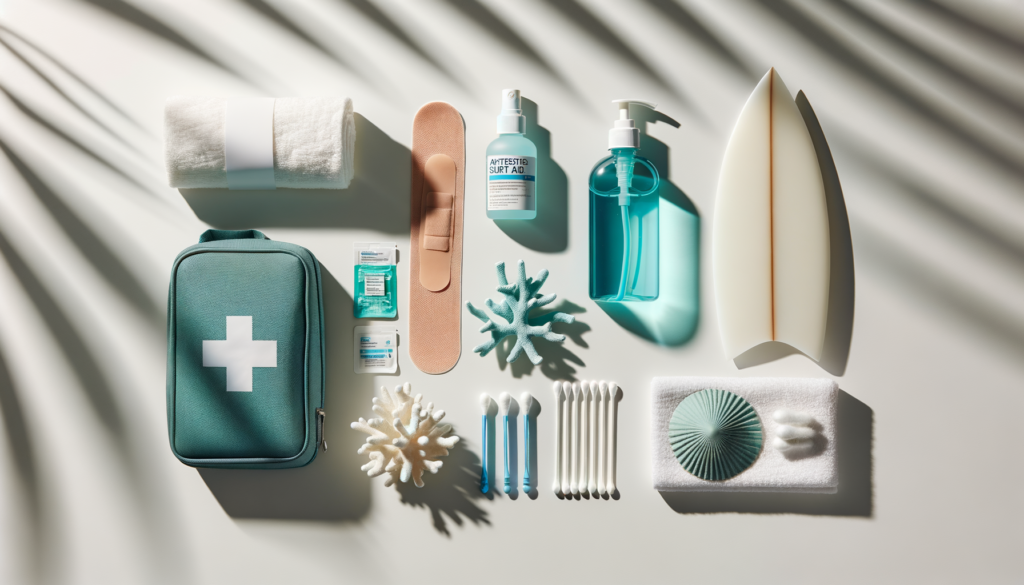
You paddle in after a perfect session at Uluwatu, and what felt like a minor scrape on the reef is now stinging, swelling, and bleeding more than you expected. Coral cuts in Bali are one of the most common injuries surfers and snorkelers face, and they are also one of the most underestimated. Left untreated or cleaned incorrectly, a small reef graze can turn into a serious infection within 24 to 48 hours in Bali’s warm, tropical conditions.
Why Coral Cuts Are Different from Ordinary Wounds
Coral is not just sharp rock. Living coral is a complex organism covered in bacteria, algae, marine microbes, and in some cases, venomous cells called nematocysts. When coral breaks your skin, it does not leave a clean wound. Instead, it deposits tiny fragments of calcium carbonate, organic debris, and bacteria directly into the tissue. This creates a wound environment that is highly prone to infection and, if fragments are not removed, chronic inflammation that prevents proper healing.
The warm water temperatures around Bali (typically 27 to 30 degrees Celsius) accelerate bacterial growth, meaning the window between a fresh cut and an infected one is much shorter than it would be in colder climates. Common reef-associated bacteria include Vibrio species and Staphylococcus aureus, both of which can cause rapidly spreading cellulitis if they gain a foothold in broken skin.
Recognising the Severity: Minor Graze to Serious Infection
Not every reef scrape is a medical emergency, but knowing how to read the wound is important.
Signs the wound is manageable at home or your villa
- Shallow abrasion with controlled bleeding
- Clean edges without deep puncture
- Mild stinging that settles within an hour
- No embedded coral visible in the wound
Signs you need prompt medical attention
- Increasing redness spreading beyond the wound edges (cellulitis)
- Warmth and swelling intensifying after the first few hours
- Pus or discharge with a foul smell
- Red streaks radiating from the wound (lymphangitis, a sign of systemic spread)
- Fever, chills, or muscle aches
- Wounds on the feet or hands that limit movement
- Any signs of allergic reaction, including hives, facial swelling, or difficulty breathing
If you are checking more than one box in the second list, visit a clinic in Kuta, Seminyak, Canggu, or Ubud without delay. Bali has solid medical facilities for traveler injuries, and reef infections that spread systemically require prescription antibiotics at minimum.
Immediate First Aid: What to Do Right on the Beach
The first 30 minutes after a coral cut matter enormously. Follow these steps in order.
- Stop the bleeding. Apply firm, direct pressure with a clean cloth or surf rashie. Elevate the limb if possible.
- Rinse with clean, fresh water. Use bottled water if tap water is unavailable. Seawater is not sterile and will introduce more bacteria.
- Inspect for embedded coral. In good light, look for white or grey fragments in the wound. Avoid digging with unclean fingers.
- Do not close the wound immediately. Reef wounds need to breathe and drain. Sealing them with tape or waterproof plasters too early traps bacteria inside.
- Apply a mild antiseptic. Hydrogen peroxide and iodine are commonly available at Bali pharmacies (apotek). Hydrogen peroxide is useful for bubbling out debris in the initial clean, but avoid using it repeatedly as it damages new tissue.
Deep Cleaning the Wound: Removing Coral Fragments
This is the step most surfers skip, and it is the primary reason reef cuts become chronic, slow-healing sores. Coral fragments left in a wound act as a foreign body, keeping the immune response in a constant state of alert and preventing the wound from closing properly.
To clean a coral cut thoroughly at your accommodation:
- Wash your hands thoroughly first.
- Use sterile tweezers (available at pharmacies in Kuta, Seminyak, and Canggu) to gently remove any visible fragments.
- Scrub the wound gently with a soft brush or clean gauze soaked in saline solution. Yes, this is uncomfortable. Do it anyway.
- Rinse again with clean water or saline.
- Apply an antibiotic ointment such as mupirocin or neomycin, both available over the counter at most Bali apotek.
- Cover with a non-stick, breathable dressing and change it twice daily.
Avoid soaking in pools, the ocean, or even long showers until the wound shows clear signs of healing. Moisture is the enemy of a reef cut in a tropical climate.
Ongoing Care and Signs Your Body Is Fighting Hard
A healing reef cut will look a little angry for the first two to three days. Mild redness and some clear fluid are normal. What you are watching for is the wound getting worse, not better, after 48 hours.
Keep your immune system supported during recovery. Poor sleep, heavy alcohol consumption, and dehydration all blunt your body’s ability to fight localised infection. If you have been out in the Bali heat, surfing multiple sessions, and not replacing fluids adequately, your recovery will be slower. Drink consistently throughout the day, prioritise electrolyte replacement, and avoid alcohol while the wound is actively healing.
For surfers dealing with combined fatigue, sun exposure, and a reef injury, IV hydration with added vitamin C and immune-supportive nutrients can give the body a meaningful boost. This is not a replacement for wound care or antibiotics if they are needed, but when systemic fatigue is part of the picture, restoring your fluid and micronutrient levels genuinely supports the inflammatory and immune processes involved in healing. Revivel Life’s vitamin infusion drips include options with high-dose vitamin C, which plays a direct role in collagen synthesis and immune function.
When Antibiotics Are Necessary
Reef wound infections often require antibiotics. In Bali, you can access a doctor at clinics such as BIMC, SOS Medika, or local community health centres (puskesmas). Do not self-prescribe antibiotics, but do not be shy about seeing a doctor if the wound is worsening after 48 hours of solid home care.
Common antibiotic choices for reef infections include doxycycline or trimethoprim-sulfamethoxazole, which cover the marine bacteria most commonly involved. Your doctor will advise based on the wound appearance and your allergy history. If you develop a fever alongside a worsening wound, mention this clearly. It changes the clinical picture significantly.
Frequently Asked Questions
Can I surf again with a coral cut?
Not until the wound is fully closed and epithelialised. Saltwater introduces bacteria directly into an open wound, and reef contact on a healing site can cause further trauma and set back recovery by days. Most surfers return to the water too soon. A properly healed reef cut typically takes 7 to 14 days depending on depth and your immune status.
Should I use hydrogen peroxide on a coral cut?
A single application in the first clean can help bubble out debris. Repeated use damages the healthy tissue cells needed for healing. After the initial clean, switch to saline rinses and a gentle antibiotic ointment.
What if I cannot see the coral fragments but the wound is not healing?
This is a sign that fragments are still present below the surface. See a doctor who can use a proper light source and sometimes imaging to locate debris. Surgically removing retained fragments is sometimes necessary for wounds that simply will not close.
Do I need a tetanus shot after a coral cut?
If your tetanus vaccination is not current (within the last 5 to 10 years depending on your history), yes. Coral wounds are considered tetanus-prone injuries. Check your vaccination record and visit a clinic if you are unsure.
Can coral cuts cause serious illness beyond the wound itself?
Yes. Vibrio vulnificus, found in warm tropical seawater, can cause severe systemic infection in people with compromised immune systems or liver conditions. Any reef wound that produces rapidly spreading redness, blistering, or is accompanied by fever should be evaluated at a clinic immediately, not monitored at home.
When to Get Support Beyond Basic First Aid in Bali
Most coral cuts in Bali respond well to prompt, thorough cleaning and consistent wound care. But recovery does not happen in isolation. Your immune system, your hydration status, and your overall physical condition all influence how quickly that wound closes and whether infection takes hold.
If you are worn down from travel, nights out, or consecutive days in the water and sun, and you are dealing with a reef injury on top of it, Revivel Life can come to your villa or accommodation anywhere across Bali and deliver a tailored IV drip directly to you. Our full drip catalog includes immune-supportive, hydration-focused, and recovery-oriented formulations that can complement your wound care routine during a tough recovery period. It is not a substitute for medical care when medical care is needed, but for the fatigue and depleted-nutrient side of the equation, it is genuinely useful.
Book through our contact page and we will come to you, wherever in Bali you are staying.
Feeling Under the Weather in Bali?
Our licensed nurses bring IV therapy directly to your villa. Feel better in 30 minutes.
Chat With Our Nurse